Winter Skills | Mountaineering | Climbing | Progression
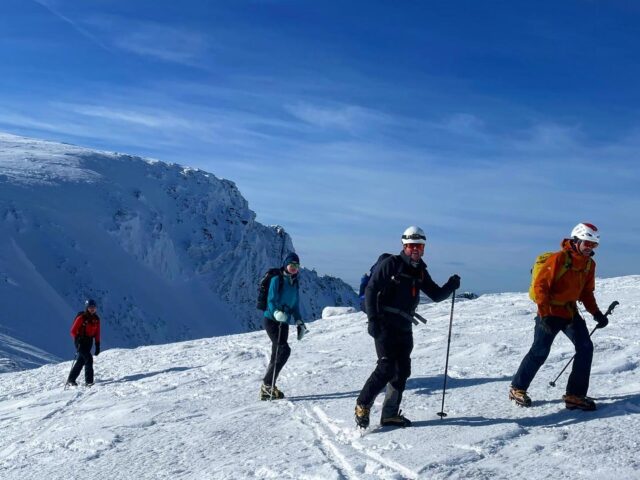
Winter transforms the mountains. Familiar paths disappear beneath snow, straightforward slopes become more consequential, and the skills needed to travel safely extend well beyond those used in summer.
Whether you're preparing for your first Scottish winter, looking to tackle steeper ridges and gullies, or hoping to develop your winter climbing, understanding where to begin is important.
At Lake District Mountaineering, our programmes are designed around progressive learning. In winter this means fundamental axe-and-crampon movement through to technical mountaineering and climbing, each course has a particular purpose.
The aim is to develop the movement, knowledge, judgement and experience needed to make good decisions independently.
Understanding Winter Progression
We divide our programmes into three broad levels: Foundation, Progression and Development.
These describe the learning involved rather than simply how difficult a route might be.
01. Foundation — Learning the Essentials
For capable summer hillwalkers making the transition into winter, or anyone wanting to revisit their fundamental skills.
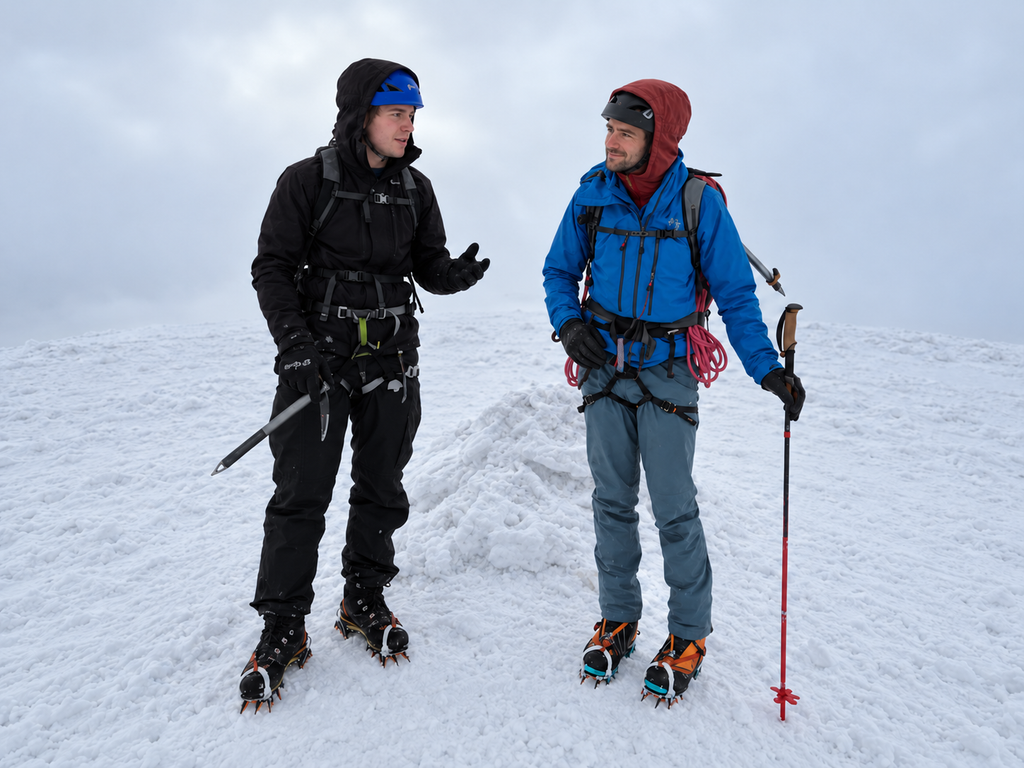
This stage introduces the equipment, movement techniques and decision-making involved in winter mountain travel.
You'll develop an understanding of how to use an ice axe and crampons, recognise winter hazards, interpret forecasts and make sensible choices about where to go.
Suitable courses and workshops:
02. Progression — Applying Your Skills
For walkers who already have some winter experience and want to become more capable and independent.
The emphasis moves from learning individual techniques to combining them during real mountain journeys.
This means navigating when features disappear, selecting suitable terrain, managing changing conditions and developing the confidence to make your own decisions.
Suitable courses and workshops:
03. Development — Moving into Technical Terrain
For experienced winter walkers, mountaineers or climbers looking to develop more advanced movement, ropework and judgement.
This is where steeper snow, ridges, gullies and roped mountaineering become a greater part of the learning.
Good fundamental winter skills are expected, allowing time to concentrate on more technical terrain and the decisions involved in managing it.
Suitable courses and workshops:
- Winter Mountaineering
- Winter Climbing
- Winter Mountaineering Development
- Winter Climbing Development
- Snow Belays & Winter Anchors
Which Winter Pathway Is Right for You?
There isn't one route through winter mountaineering. Your starting point depends on your existing experience, the skills you already have and what you'd like to achieve.
The following pathways provide a guide to choosing the most appropriate course or workshop.
Pathway 1: I'm a Summer Hillwalker and New to Winter
If you're comfortable walking in the Lake District or Scottish Highlands during summer but have little experience of snow and ice, Winter Skills Foundations is the natural starting point.
Our two-day course introduces essential winter mountain skills, including:
- Choosing and using winter equipment
- Moving securely in boots and crampons
- Using an ice axe for support and self-arrest
- Understanding weather, snow conditions and avalanche hazards
- Winter navigation and route planning
- Making appropriate decisions in changing mountain conditions
You'll learn the techniques needed to begin developing your winter walking experience, with time to practise them in a mountain environment.
Suggested pathway:
Winter Skills Foundations → Consolidation on suitable winter walks → Winter Skills & Summits
Pathway 2: I've Done Winter Skills and Want to Climb Winter Munros
If you've already developed a foundation in winter walking and want to tackle more substantial mountain journeys, Winter Skills & Summits is the next step.
Our three-day West Highlands course focuses on applying your existing skills during longer mountain days, working towards suitable winter summits when conditions allow.
You'll develop movement, navigation, route choice and decision-making, with greater emphasis on managing yourself across different terrain and conditions.
Additional workshops can help strengthen particular skills:
- Winter Navigation: For navigating confidently when snow or poor visibility obscures familiar features.
- Avalanche Awareness: For understanding avalanche forecasts, terrain and safer route choices.
Suggested pathway:
Winter Skills Foundations → Winter Skills & Summits → Winter Navigation and Avalanche Awareness → Independent winter walking experience
This remains a winter walking pathway rather than a technical mountaineering course.
Pathway 3: I Want to Progress into Winter Mountaineering
Perhaps you've completed several winter Munros and are now interested in steeper ridges, gullies or classic Grade I and II winter mountaineering terrain.
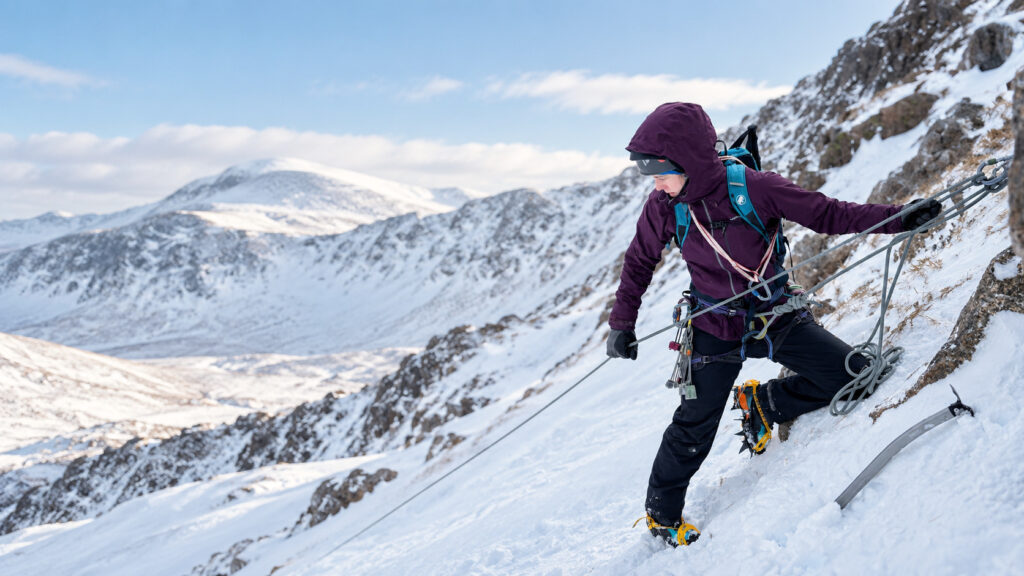
Winter mountaineering builds on your existing winter skills, introducing more technical movement, ropework, belays and the management of steeper, more consequential ground.
Our Winter Mountaineering courses in the Cairngorms and West Highlands develop these skills through practical mountain days.
If you already have a solid foundation, our Winter Mountaineering Development workshop offers focused coaching in movement, ropework and judgement.
Suggested pathway:
Winter Skills & Summits or equivalent experience → Winter Mountaineering → Winter Mountaineering Development → Consolidation on suitable graded terrain
Pathway 4: I Have Summer Mountaineering Experience but I'm New to Winter
If you're comfortable scrambling, moving on exposed terrain or using ropes in summer, you already have valuable skills that transfer into winter mountaineering.
However, moving confidently in crampons and using an ice axe require specific practice. Before progressing onto technical winter terrain, it's important to develop these foundations.
Our Axe & Crampon Movement workshop provides a focused introduction without repeating the broader mountain skills you may already have.
From there, you can progress towards Winter Mountaineering, where you'll combine your existing mountaineering experience with winter movement, ropework and decision-making.
Suggested pathway:
Axe & Crampon Movement → Winter Mountaineering → Winter Mountaineering Development
Your starting point will depend on your existing experience, confidence and familiarity with winter mountain conditions. Additional winter skills, navigation or avalanche-awareness training may be appropriate.
Pathway 5: I Want to Start Winter Climbing
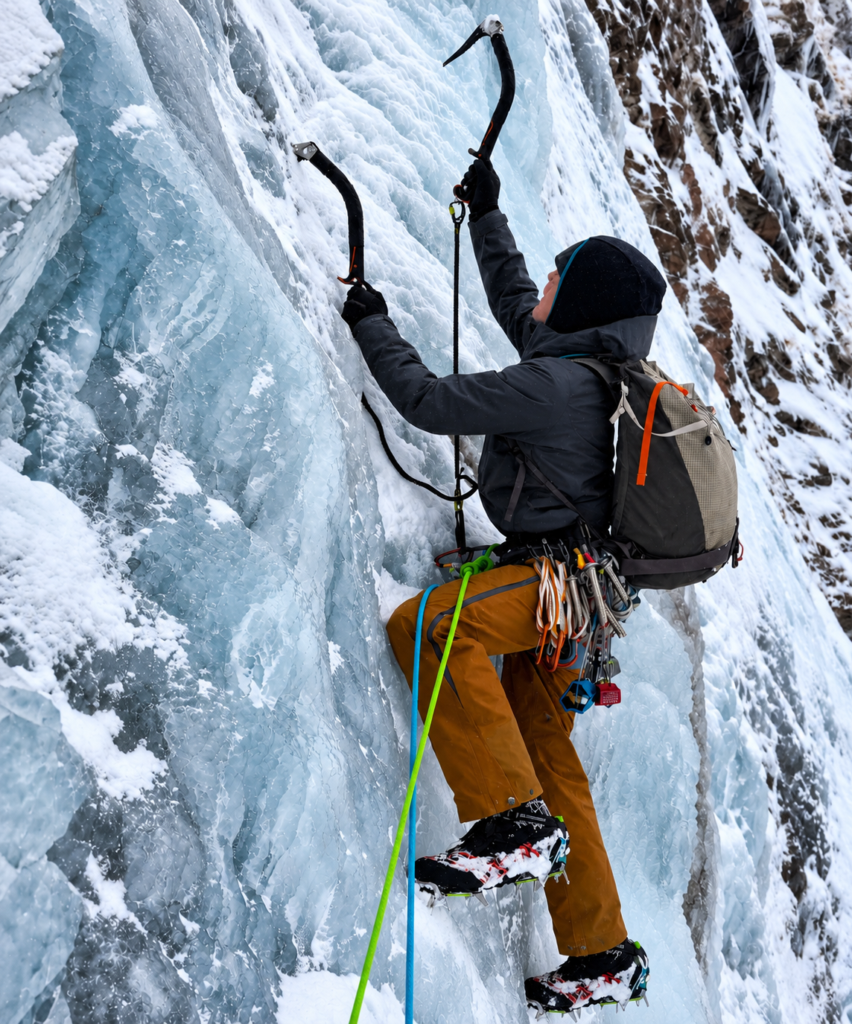
Winter climbing builds on winter mountain experience and technical climbing skills.
It combines climbing movement and rope systems with the additional challenges of snow, ice, winter protection and changing mountain conditions.
Our two-day Winter Climbing course introduces and develops techniques on suitable Scottish snow, ice and mixed terrain.
Previous rock climbing and ropework experience provide a useful foundation, but you should also be comfortable with fundamental winter movement and mountain skills.
Already have winter climbing experience? Our Winter Climbing Development workshop offers targeted coaching to improve movement, systems, efficiency and decision-making.
Suggested pathway:
Winter mountain experience + summer climbing and ropework skills → Winter Climbing → Consolidation on suitable routes → Winter Climbing Development
Summer climbing ability is valuable, but it doesn't replace the need for winter-specific movement and judgement.
Courses or Workshops: What's the Difference?
Our courses and workshops are designed to achieve different outcomes.
Courses develop a connected range of skills over multiple days. They provide time to introduce techniques, practise them and apply them in a mountain environment.
Workshops concentrate on a particular part of your skill set. They're useful for addressing gaps, improving technique or preparing for a specific objective.
For example, if you already have summer mountaineering experience but have never used crampons, an Axe & Crampon Movement workshop may be a sensible first step towards winter mountaineering.
Similarly, if you're already comfortable on winter terrain but want to improve your ropework, a Snow Belays & Winter Anchors workshop may be more appropriate than repeating a full winter skills or mountaineering course.
The best choice depends on what you already know and what you want to develop.
Frequently Asked Questions
Do I need winter skills before winter mountaineering?
Yes, or equivalent practical experience. You should already be comfortable using an ice axe and crampons, understand the basics of winter planning and have some familiarity with winter mountain conditions.
Our mountaineering courses build on these foundations rather than spending most of the time introducing them.
Can I go straight into winter mountaineering if I'm an experienced summer scrambler?
Potentially, but you'll need to develop appropriate axe-and-crampon skills first.
A focused movement workshop can provide a useful starting point. Your readiness for a mountaineering course will also depend on your winter experience and understanding of the conditions.
Can I go straight into winter climbing if I'm a good rock climber?
Not necessarily. Good rock climbing and ropework provide a useful starting point, but winter climbing introduces different movement techniques, equipment and mountain hazards.
It is recommended that you have had some time with ice axe and crampons, we can build winter climbing technique from this baseline.
Is Winter Skills & Summits a mountaineering course?
No. It's a winter walking progression course designed to develop your ability to undertake more substantial mountain journeys and suitable winter summits. It will tackle some route up to Grade I winter such as CMD Arete, Schoolhouse Ridge, Stob Ban North Ridge to name a few.
Winter Mountaineering focuses on steeper, more technical terrain where ropework and belays may become necessary.
Do I need to complete every course in order?
No. Our pathways are guides rather than compulsory sequences.
Someone with substantial winter mountain experience may be ready for a development workshop, while another person may benefit from additional foundation practice.
What's important is having the relevant skills and experience for the terrain and learning involved.
What if I have a specific mountain or route in mind?
Private coaching or guiding can provide a more tailored approach.
Whether your goal is a classic winter ridge, a technical gully, your first winter climb or preparation for an alpine trip, we can discuss the skills involved and develop a suitable plan.
Progression Is About More Than Difficulty
It's easy to measure mountain progression in terms of higher summits or harder climbing grades.
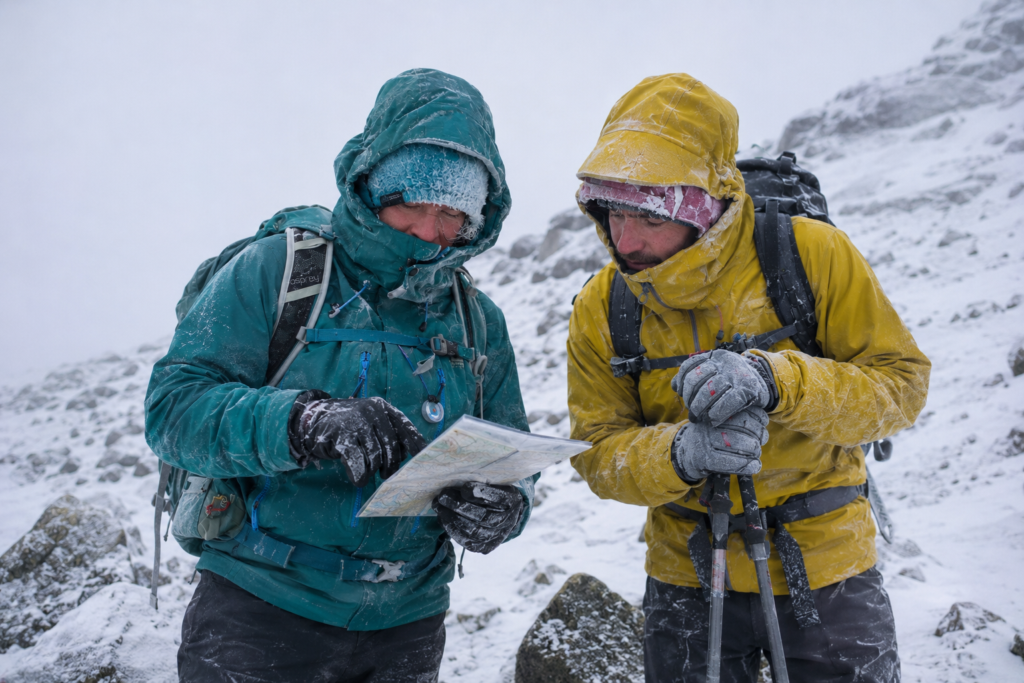
But winter competence is also about recognising when conditions are unsuitable, choosing a different objective, navigating accurately in poor visibility and knowing when to turn around.
A capable winter mountaineer doesn't simply have better technical skills. They understand when and how to use them.
Experience between courses is valuable. Practise your skills, choose manageable objectives, build familiarity with different conditions and reflect on the decisions you make.
The aim should be to become a more capable, adaptable and independent mountaineer — not simply to move through courses as quickly as possible.
Not Sure Where to Start?
If you're unsure which course matches your experience, get in touch.
Tell us a little about your summer and winter mountain experience, the equipment you're familiar with and what you'd ultimately like to achieve.
We'll help identify an appropriate starting point, whether that's your first winter skills course, a focused development workshop or a more technical mountaineering objective.
Explore our winter programme:
Private Coaching & Development
Lake District Mountaineering delivers winter courses and workshops in the Scottish Highlands, primarily during January and February. All winter mountain activities are conditions-led, with venues and objectives selected to suit the weather, snowpack and participants' experience.
We may be able to offer focussed winter skills and guided days in the Lake District when conditions are suitable, outside of the Jan-Feb programme. E.g December & March: https://www.lakedistrictmountaineering.co.uk/guiding/lake-district-winter-guiding/