What to know, what to practise and how to get the most from your training week.
Mountain Leader Training is an essential step towards becoming a qualified Mountain Leader. Across six days, you'll develop your navigation, leadership, mountain judgement, emergency procedures and expedition skills, building the confidence and competence needed to progress through the Mountain Leader scheme.
The course is designed to develop your existing skills, introduce new techniques and deepen your understanding of effective mountain leadership. Arriving with a solid foundation of personal mountain experience will help you engage fully with the training and get the most from the week.
1. Check your experience and prerequisites
Before attending Mountain Leader Training, you must be registered on the Mountain Leader scheme and have logged at least 20 varied Quality Mountain Days (QMDs).
These should reflect meaningful personal experience in mountainous terrain, including planning, navigation, route choice and independent decision-making.
Use your DLOG to record what you did, the conditions you encountered and what you learned.
Mountain Training – Mountain Leader qualification
2. Develop your navigation
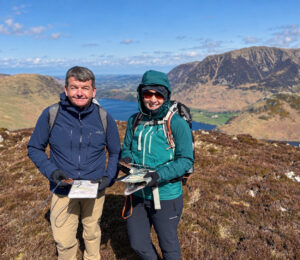
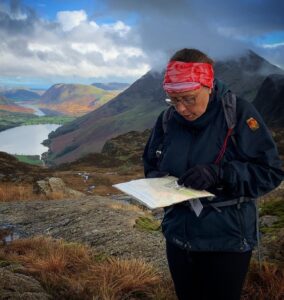
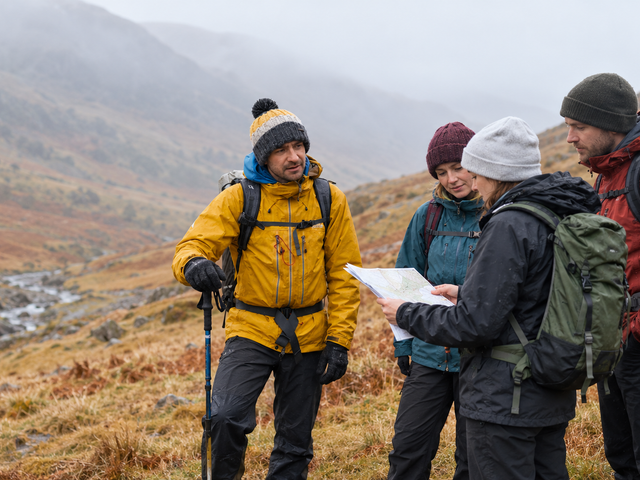
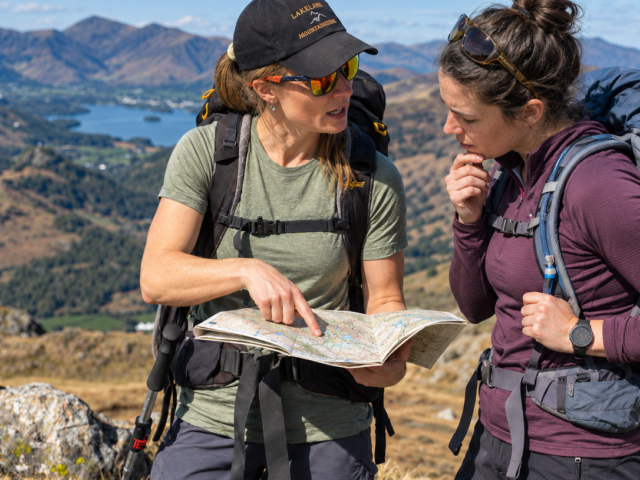
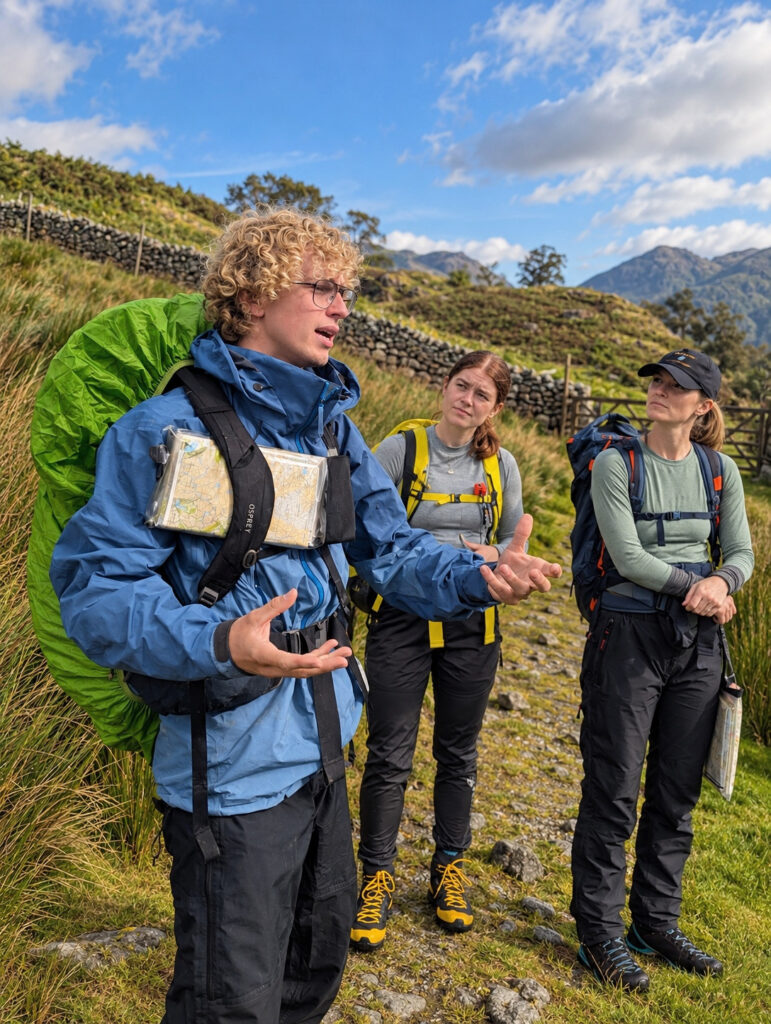
Navigation is a key part of the Mountain Leader syllabus, and having some experience before attending will help you get the most from your training.
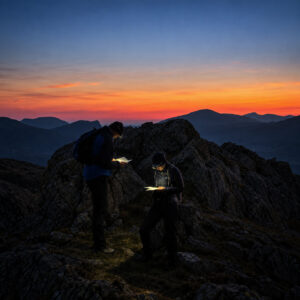
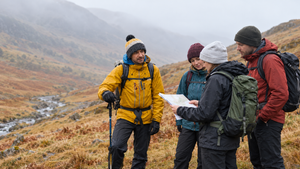
Ideally, you'll be familiar with interpreting contours, identifying terrain features, using a map and compass, and following a planned route without relying on GPS or digital navigation.
If possible, spend some time practising basic techniques such as taking bearings, pacing, timing and estimating distances. Familiarity with different map scales, including 1:25,000, 1:40,000 and 1:50,000, is also useful, although we'll explore and develop these throughout the course.
Remember, this is a training course. You're not expected to arrive as an accomplished navigator or be proficient in every technique. Our aim is to build on your existing experience, introduce new skills and develop your confidence and understanding.
If navigation is an area you're particularly unsure about, attending a Mountain Navigation course or workshop beforehand can provide a helpful foundation, but it's not a prerequisite for Mountain Leader Training.
3. Take responsibility for your mountain days
Try planning and undertaking your own mountain journeys rather than always following someone else's route.
Consider your route choices, the weather, escape options, timings and the demands of the terrain.
Develop an awareness of how your decisions would change if you were responsible for a group rather than just yourself.
The Mountain Leader qualification is fundamentally about judgement and leadership, not simply completing routes.
4. Familiarise yourself with the mountain environment
Develop an interest in the wider mountain environment, including topics such as weather, access, conservation, geology, flora and fauna - to name just a few examples.
You don't need specialist knowledge of these subjects before attending training. However, building an awareness of the environment you travel through will help you develop into a more knowledgeable and well-rounded Mountain Leader.
A great starting point is Mike Raine's Nature of Snowdonia, which provides an excellent introduction to the mountain environment and is a useful reference for anyone working towards their Mountain Leader qualification.
5. Prepare for the expedition
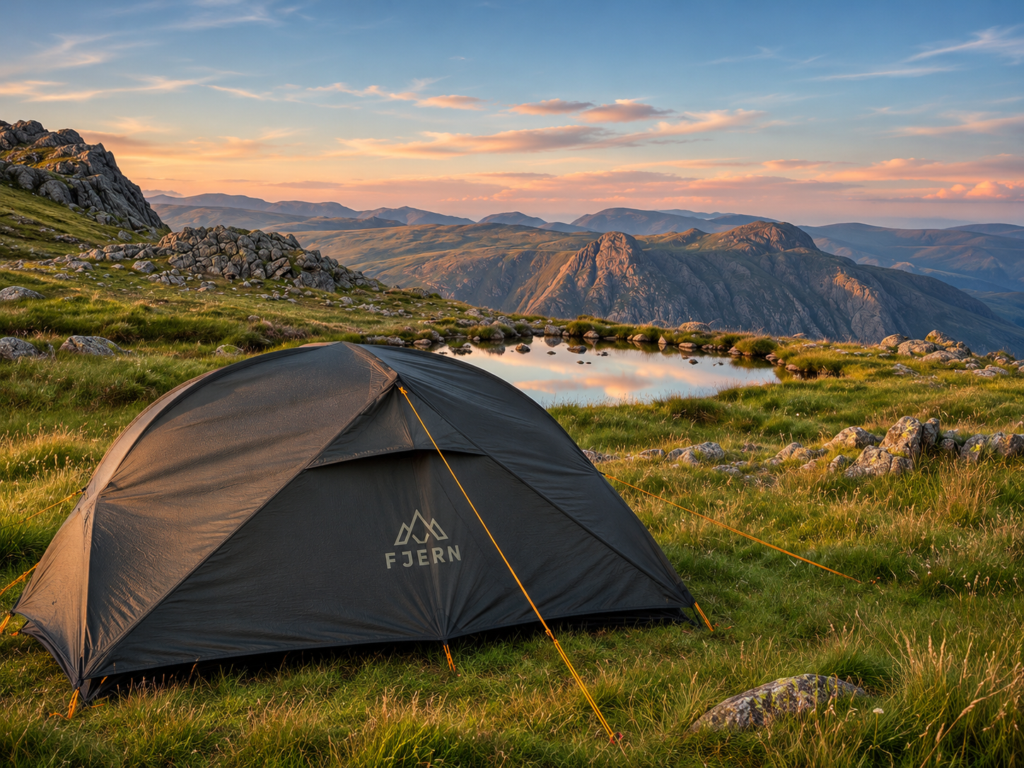
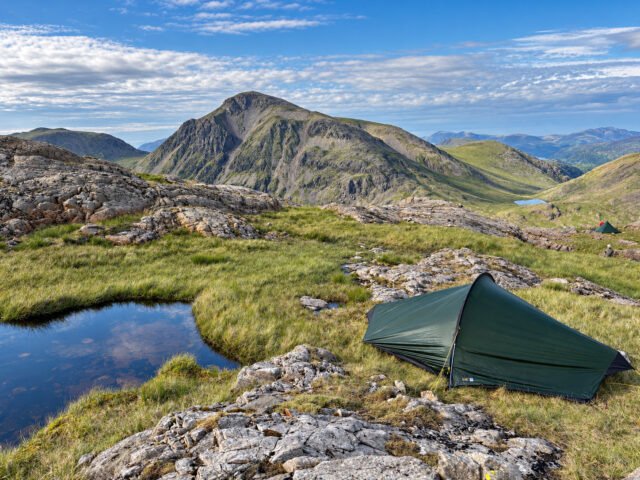
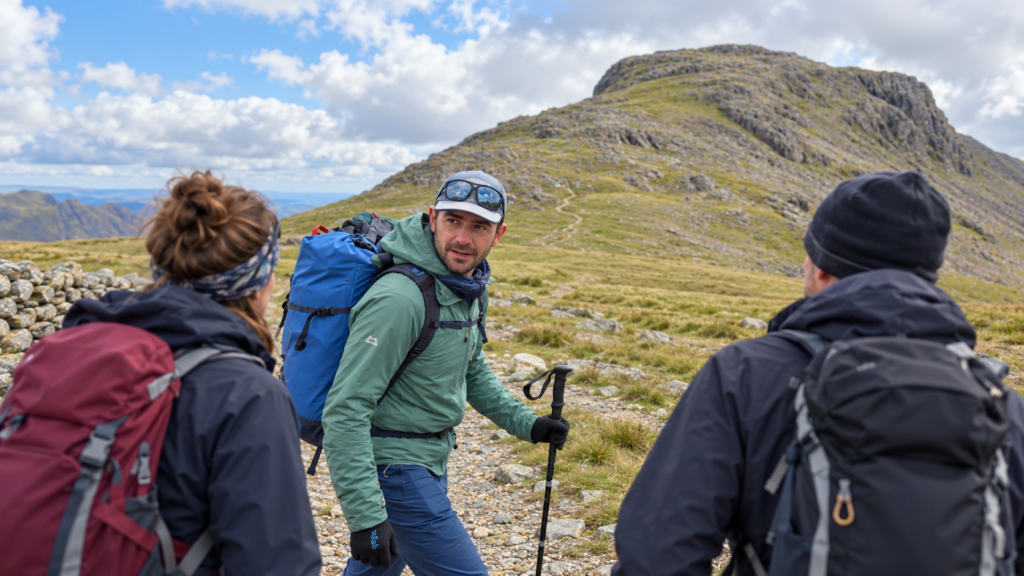
Mountain Leader Training includes a two-day expedition with one night of wild camping, providing an opportunity to develop your expedition skills, campcraft and mountain leadership.
Before attending, it's worth gaining some familiarity with your camping equipment, including pitching your tent, using your stove, managing your sleeping system and packing an expedition rucksack.
Try carrying your overnight kit on a mountain day to understand how the additional weight affects your movement and comfort. Aim for a manageable pack weight of around 10–12kg, where practical, without compromising essential equipment.
Having familiar, reliable equipment will help you get the most from the expedition. You don't need to have mastered every aspect of wild camping beforehand, as we'll explore and develop these skills throughout the course.
If you're new to wild camping or would like to build your confidence beforehand, our Mountain Skills & Wild Camp courses provide a useful introduction.
6. What about ropework and steep ground?
You aren't expected to arrive with extensive ropework experience or a detailed understanding of steep-ground management.
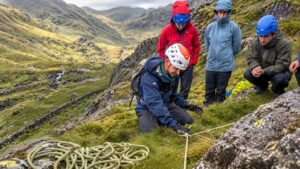
During training, we'll introduce and develop the relevant Mountain Leader techniques for managing groups on steep terrain, including movement skills, spotting, emergency ropework, route choice and decision-making.
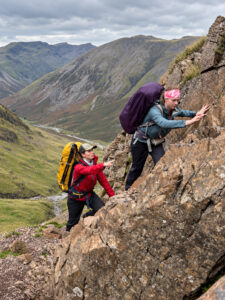
Having some experience moving confidently and safely across rough, steep and exposed mountain terrain will be beneficial. Experience on Grade 1 scrambles can be particularly useful for developing your personal movement skills, balance and confidence in more challenging terrain.
Remember, the technical skills and group management techniques are taught throughout the course. The aim is to build on your existing mountain experience and develop the competence and judgement needed to lead others safely.
7. Get familiar with the syllabus
Before attending, download the Mountain Leader Candidate Handbook and take some time to familiarise yourself with the different areas of the syllabus.
You don't need to memorise everything or be proficient in every skill before training. Instead, use the handbook to reflect on your existing experience, recognise your strengths and identify areas you'd like to develop. It's also a useful way to prepare questions and highlight topics you'd like to explore during the course.
The handbook remains a valuable reference after training, helping you reflect on your progress, evaluate your skills against the syllabus and identify priorities for further development.
Training is the starting point for a period of structured consolidation, where you'll build on your learning, gain further independent mountain experience and work towards the standard required for assessment.
Ready to take the next step?
At Lake District Mountaineering, our Mountain Leader Training courses are based in Borrowdale in the Lake District.
Our approach combines practical mountain experience, focused coaching and constructive individual feedback, helping you understand what good mountain leadership looks like and how to develop towards assessment.
Explore Mountain Leader Training dates and course information