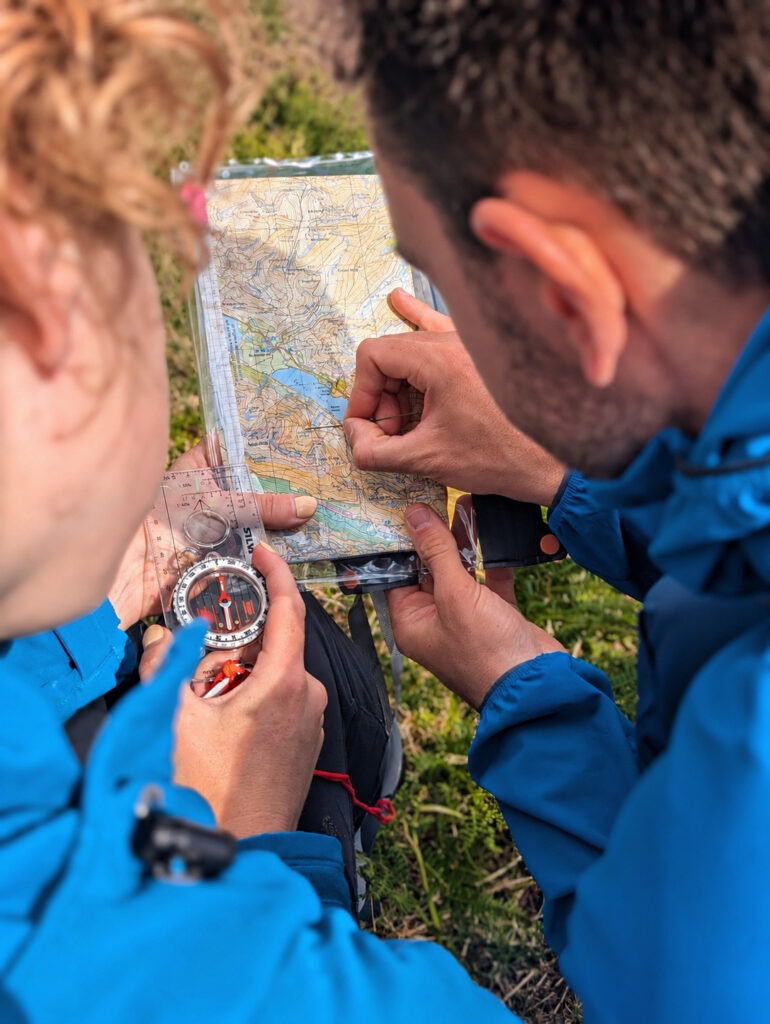
Mountain Leader Assessment is an opportunity to demonstrate that you can consistently operate as a safe, competent and thoughtful mountain leader.
Individual skills matter, but assessment is not simply a collection of navigation, ropework and environmental knowledge tests. Assessors are looking at how you combine those skills with leadership, judgement and appropriate decision-making in real mountain situations.
By the time you attend assessment, the core technical skills should already be well established. Your preparation should therefore focus on consistency, breadth of experience and your ability to make good decisions while looking after other people.
1. Know the Syllabus Well
The ML syllabus covers key areas such as navigation, leadership, security on steep ground, emergency procedures, and environmental knowledge. Familiarise yourself thoroughly with the Mountain Training handbook and ensure you have a good understanding of all assessment criteria.
Start by having a look at the Skills Checklist which can be found on this webpage - be honest with yourself about your competence in each aspect and seek input from trainers/assessors if you need to up-skill any of these key areas.
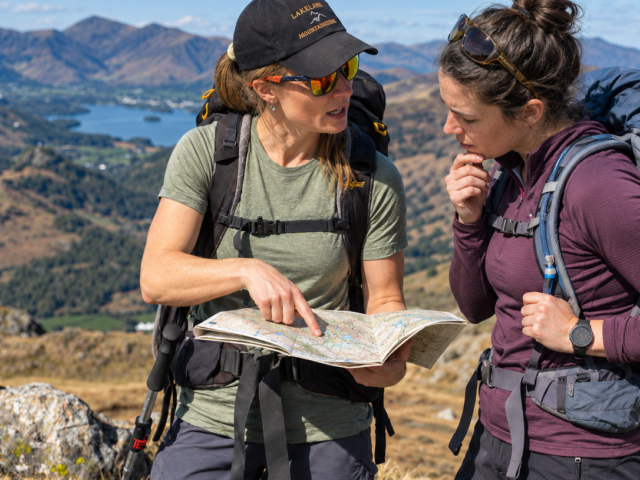
2. Build Strong Navigation Skills
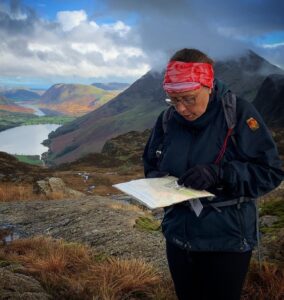
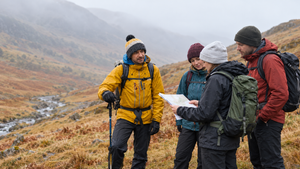
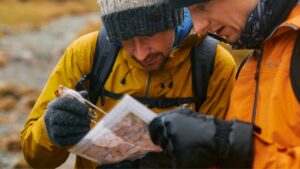
Navigation needs to be accurate, efficient and appropriate to the terrain.
Practise across different types of mountain terrain and in a range of visibility rather than repeatedly navigating familiar ground.
You should be comfortable with:
- contour interpretation and terrain recognition
- selecting appropriate strategies
- timing and pacing
- bearings
- relocation
- adapting your strategy as terrain or visibility changes
- maintaining awareness of the wider journey rather than becoming absorbed by individual navigation legs
Digital mapping is a useful part of modern mountain travel, but you should not be dependent on it. Develop the map, compass and terrain-reading skills required to remain effective without following a GPS position.
At assessment level, reaching the feature is only part of the picture. Accuracy, efficiency, route choice and judgement all matter.
3. Build breadth of mountain experience
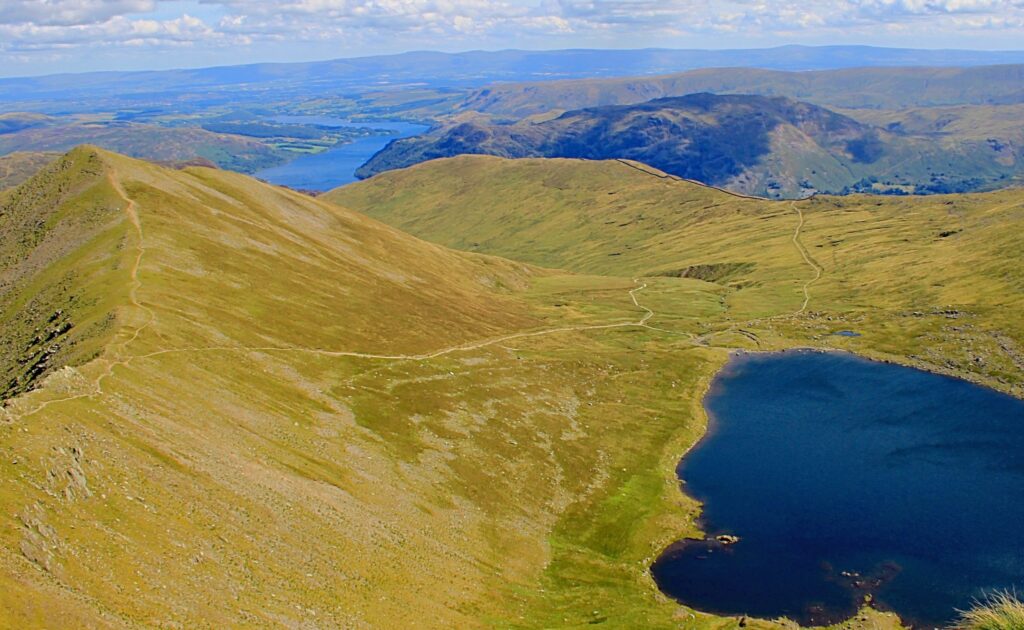
The minimum experience requirements are exactly that — minimum requirements.
For assessment you should be comfortable planning and undertaking independent mountain journeys across unfamiliar terrain, in different weather and with different levels of complexity.
A Quality Mountain Day should involve genuine planning, navigation, judgement and decision-making rather than simply collecting summits or repeating familiar routes.
Mountain Training currently requires at least 40 Quality Mountain Days in at least three mountain regions of the UK or Ireland, along with the required camping and first-aid experience, before assessment. Always check the current Mountain Training requirements before booking.
4. Develop Leadership and Group Management Skills
Being a Mountain Leader is fundamentally about people.
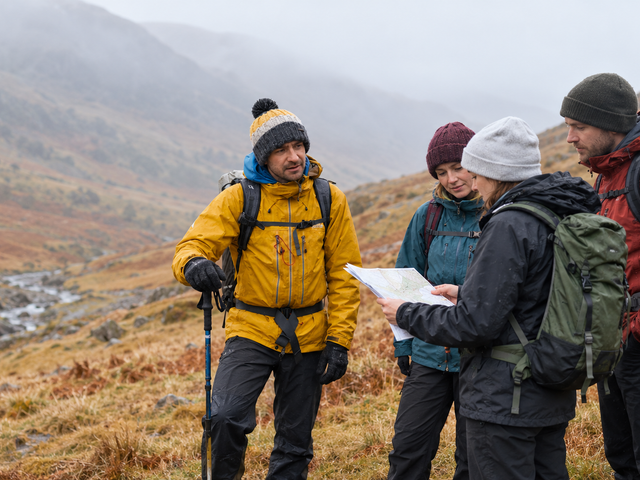
Practise managing different abilities, confidence levels, motivations and paces. Think about how your leadership style changes depending on the situation rather than relying on one way of leading.
You should be able to:
- communicate clearly
- observe individuals within the group
- anticipate developing problems
- adapt the plan when circumstances change
- choose terrain appropriate to the group
- involve people in decisions when appropriate
- become more directive when safety or circumstances require it
Good leadership is rarely about giving the most instructions. It is about noticing what is happening and responding appropriately.
5. Be Proficient in Security on Steep Ground
You must demonstrate safe and efficient techniques when dealing with steep ground. Practice:
- Route-finding and terrain choices over steep ground - safe and sensible!
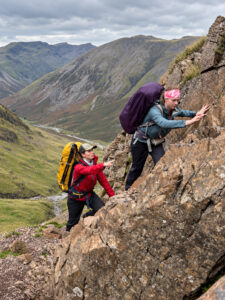
- Safe and solid movement on steep, rocky, and exposed terrain.
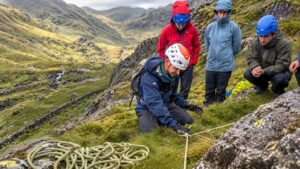
- Using a rope for emergency situations - keep it simple, know your knots and choose good anchors!
- Coaching others through difficult sections safely - be able to talk to people and re-assure them, especially whilst getting the rope out and setting up your system.
- Take a look at steep ground workshops - especially if you don't handle a rope often and remember, keep it simple! We are not looking for fancy knots, just simple and safe.
6. Know Your Emergency Procedures
Understanding how to handle emergencies is crucial.
Ensure you:
- Have knowledge on how to deal with injuries, hypothermia, and lost group members.
- Are familiar with mountain rescue procedures and emergency communication methods.
- Know your river crossing methods and when it would appropriate to undertake them.
7. Improve Your Environmental Knowledge
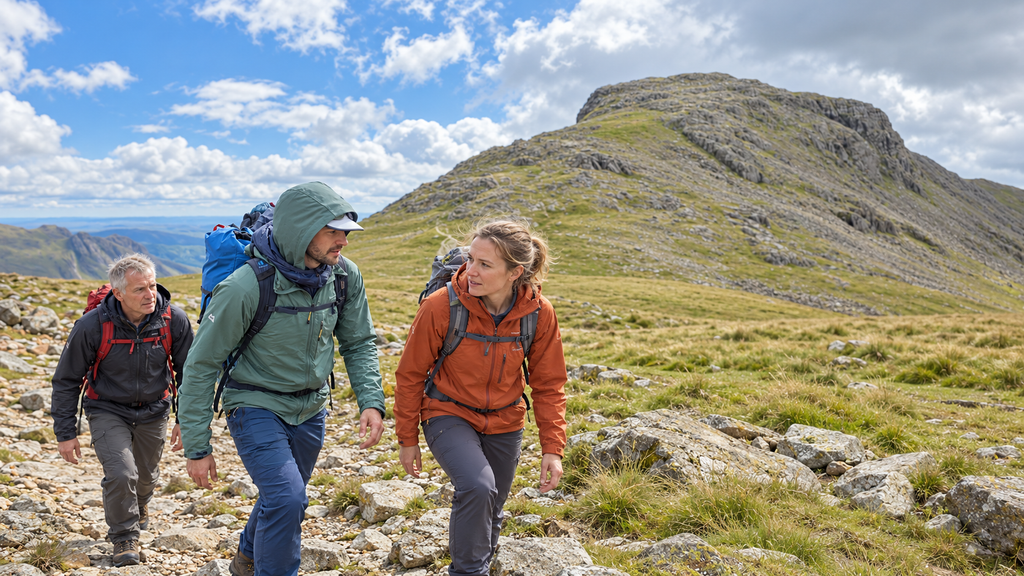
Assessors will expect you to have a good understanding of the mountain environment, including:
- Flora, fauna, geology, and weather patterns.
- Leave No Trace principles and responsible outdoor practices.
- Land access rights and conservation issues.
It's not all about birds and flowers though; take a look at local folklore, sheep farming, star navigation, re-wilding, deer shooting - these are just a few of some interesting examples that have relevance in the UK uplands.
8. Prepare for Night Navigation
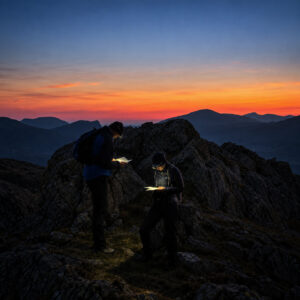
Night navigation is often a key part of the assessment.
To perform well:
- Practice navigating in the dark with a headtorch - get used the dark and be comfortable in the environment.
- Use fine navigation techniques, bearings and pacing to find features.
- Practice following others at night and relocating - this will help build confidence in your techniques.
- Stay calm and methodical when visibility is limited.
- Take a night navigation refresher or day into night navigation workshop
9. Maintain Your Hill Fitness
Ensure that you:
- Maintain a good level of fitness to handle long days in the mountains.
- Eat and hydrate properly during training and assessment days.
- Get enough rest before the assessment.
10. Stay Positive and Keep Learning
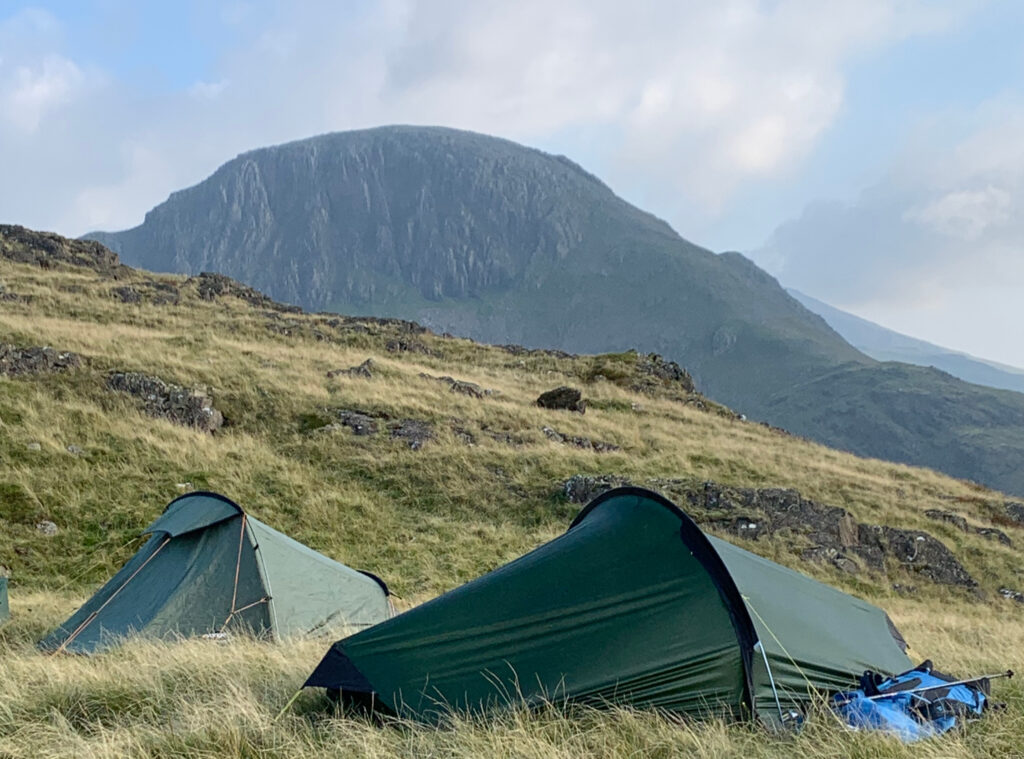
Confidence and a positive attitude can make a big difference.
Remember:
- Everyone makes mistakes - learn from them and move on.
- Ask questions and take feedback constructively.
- Enjoy the experience and embrace the learning process.
Final Thoughts
The Mountain Leader assessment is challenging but achievable with dedication and preparation. Focus on improving your weaker areas, gain as much mountain experience as possible, and approach the assessment with confidence. By following these tips, you'll be well on your way to passing and becoming a qualified Mountain Leader. Good luck!
https://www.lakedistrictmountaineering.co.uk/courses/mountain-leader-assessment/
https://www.lakedistrictmountaineering.co.uk/mountain-leader-women-and-lgbtq-courses
https://www.lakedistrictmountaineering.co.uk/mountain-leader-development/